Need for Speed: High Stakes, which debuted in 1999 and captivated players with its novel approach to racing, lifelike visuals, and fascinating gameplay, represented a major advance in the Need for Speed franchise. The game offered a plethora of new elements that would characterize the franchise for years to come, all set against the backdrop of fast driving and fierce rivalry. It was a full simulation that combined conventional racing aspects with cutting-edge dynamics, not simply another arcade racer. Setting a new benchmark for racing games at the time, the game allowed players to experience both the adrenaline of organized track events and the thrills of illicit street racing.
The addition of a career mode—a first for the franchise—was one of High Stakes’ most notable features. From modest beginnings, players may rise through the ranks by earning money through racing victories, which they could then use to modify or purchase new vehicles. A range of racing types were also available in the career mode, from straightforward sprints to more difficult competitions including police pursuits and other obstacles. In contrast to earlier games in the series, this richer advancement mechanism made players feel more invested in the game and accomplished.
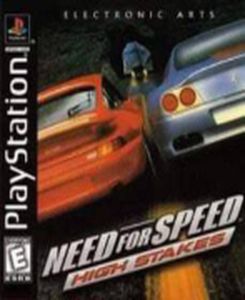
Need for Speed 4 significantly improved gameplay. The automobiles’ handling was more sophisticated, balancing accessibility akin to that of an arcade with a hint of realism. Depending on the model—a sleek sports car or a more tough off-road vehicle, for example—different models offered distinctive driving sensations. The automobiles felt responsive. The track’s layout, which included high-speed straights, sweeping bends, and tight turns, was also a significant advancement. Even after several playthroughs, these various circuits kept the races feeling new and challenged the player’s abilities.
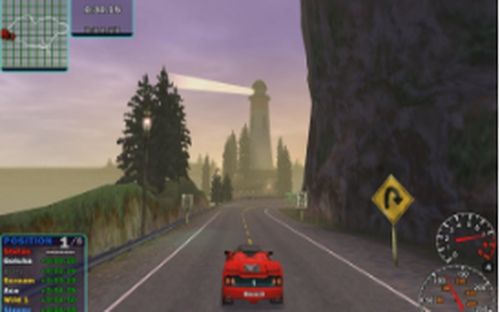
Another area in which Need for Speed 4 excelled was the visuals. The game included extremely realistic backgrounds and a variety of lighting effects that created the sensation of speed, but it was not quite at the cutting edge of realism. The game’s use of dynamic weather, with rain, fog, and even snow influencing how automobiles handled, increased the sense of immersion. The automobiles themselves, which had fully working damage models and were painstakingly crafted, also exhibited this level of realism. For the time, this was a significant advancement in realism as it increased the severity of accidents and wrecks.
Another standout aspect of Need for Speed 4 was the sound design. The game’s upbeat soundtrack, which included a blend of rock, techno, and electronic music, matched the fast-paced action and gave players a boost during scary scenes. An additional degree of authenticity was added by the meticulous recording of the automobiles’ engine noises. The noise of the engine gave each vehicle a distinct personality, whether you were driving a Porsche or a Ferrari, and every race seemed like a struggle against the clock and your rivals.
Additionally, Need for Speed: High Stakes added several multiplayer features that let players compete against one another online or through a local connection. The ability to compete against actual opponents instead than simply AI-controlled racers made the multiplayer option a breath of fresh air. Because no two races were ever the same when human players participated, the competitive aspect raised the game’s level of excitement and replayability. This innovative move toward multiplayer racing will become a key component of subsequent Need for Speed games.


Another distinctive feature that set High Stakes apart from other racing games of the time was the police pursuit mechanism. Players had to deal with the constant danger of police enforcement while trying to win. If you were apprehended by the authorities during a race, you would forfeit your winnings and have to deal with the fallout. Every race was made more dangerous by the thrilling and suspenseful police chases. Because of the dynamic complexity of the game, the police pursuit got more severe the more effective a player was.
System Requirements OF Need For Speed 4 Highly Compressed PC
| Ram | 128 MB |
|---|---|
| Processor | Pentium 90 MHz |
| Accessories | Keyboard, mouse, and speaker |
| Graphics card | 1 GB |
| Windows | Xp, 7, 8, 8.1, 10, and 11 |
| Free disk space | 1.5 GB |
The variety of vehicles in Need for Speed 4 was one of its main attractions. There was something for every kind of racing aficionado, from vintage sedans and off-road vehicles to legendary sports cars like the Lamborghini Diablo and Porsche 911. Players could personalize their automobiles to fit their own driving style, and each car felt unique. High Stakes allowed players to customize their vehicle to suit their tastes, making every race seem more unique, whether it was by strengthening the body for durability, adding better tires for maneuvering, or improving the engine for speed.
The landscapes in Need for Speed 4 were just as meticulously detailed as the vehicles and circuits. The circuits were located in a range of places, from city streets and industrial areas to mountain roads and beach bluffs. With vibrant spectators and shifting weather that altered the race’s dynamics, every venue seemed alive. Whether you were racing along a rain-soaked highway or navigating through city traffic, the degree of environmental detail enhanced the feeling of immersion and made every race feel like a real experience.
In the end, Need for Speed: High Stakes marked a turning point in the development of racing games rather than merely a game. By fusing realistic automobile control, stunning visuals, and captivating gameplay in a way that few other games at the time had, it raised the bar for the genre. The game’s multiplayer possibilities, several racing types, and career mode all added to its enduring popularity. It was a turning point in the history of the brand, impacting subsequent Need for Speed titles and establishing it as one of the greatest racing games of its time.