One of the most recognizable games in the Need for Speed series, which transformed arcade racing games and established a new benchmark for fast-paced action, is Need for Speed III: Hot Pursuit, which was released in 1999. When the game was first released, players all over the world were captivated by its fast-paced racing gameplay, exciting police pursuits, and striking visuals. For many, Need for Speed III gave both fierce competition and a sense of freedom on the wide road, making it more than simply another racing game.
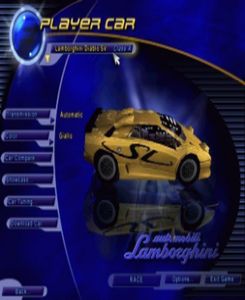
With better controls and more realistic driving dynamics, the game’s mechanics were obviously an improvement over those of its predecessors. Players may select from a variety of vehicles, each with distinct handling and speed characteristics, ranging from svelte sports cars to strong muscle cars. With intricate models and fluid animations that highlighted the era’s technical innovations, the automobiles appeared better than ever. Because various cars were better suited for different kinds of courses and racing circumstances, the variety of vehicles also offered a layer of strategy.
But the addition of the “Hot Pursuit” mode was what distinguished Need for Speed III from its rivals. In this mode, players could race against the clock or other players while the cops were chasing them. The game was made more exciting and dangerous by the suspense caused by the sirens blasting, the flashing lights of squad vehicles, and the necessity to avoid spike strips and barricades. Every race seemed like a high-stakes escape because of the excitement of maneuvering through traffic, barely evading police barricades, and hearing the sound of a helicopter approaching.
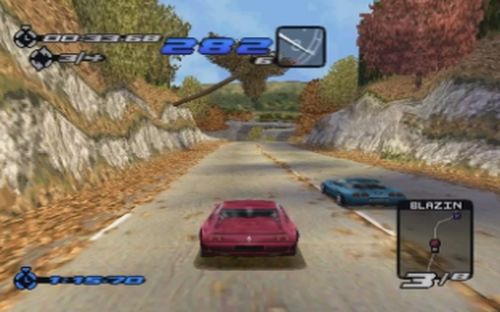
Another significant accomplishment for its era was the game’s graphic design. From bustling city streets to meandering mountain roads, the courses were colorful and diverse. Changes in the weather and time of day added an additional layer of immersion, making the surroundings feel lively and active. The atmosphere was enhanced by the glare of the sun on a desert roadway or the brilliant neon lights of a metropolis at night, giving the impression that the world was vast and varied. Because each race presented a different challenge, such as negotiating tight turns or racing along lengthy sections of road, the variety of the settings also contributed to the gameplay’s freshness.
The game’s soundtrack was among the most memorable aspects of Need for Speed III. With a blend of rock, electronic, and techno beats that heightened the sense of urgency and adrenaline, the music was the ideal match for the fast-paced action. Fans of the game have positive memories of the soundtrack, which is not surprising given that the music became nearly as legendary as the gameplay itself. The fast-paced beats increased the overall adrenaline rush of racing across the game’s several tracks by matching the vehicles’ speed.
Another important factor in the game’s attraction was its multiplayer feature. Although the main method of racing against friends was through local multiplayer, the addition of internet multiplayer in subsequent iterations of the game created additional opportunities for competitive racing. Every race was made more exciting and unpredictable by the option for players to compete against players from all around the world. As strategy and tactics changed with each race, the option to race against actual humans instead of only AI-controlled opponents added a new level of complexity to the game.
Another noteworthy aspect of Need for Speed III was its replayability. Players may constantly find new tasks to take on because to the variety of racing styles, cars, and circuits. There was always something to keep gamers returning, whether they were racing in regular races, finishing time trials, or trying to dodge the cops in Hot Pursuit mode. Additional incentives to play and explore every area of the game were supplied via unlockable material, such as additional vehicles and circuits.
System Requirements OF Need For Speed 3 Highly Compressed PC
| Ram | 64 MB RAM |
|---|---|
| Processor | Pentium 90 MHz |
| Accessories | Keyboard, mouse, and speaker |
| Graphics card | 1 GB |
| Windows | Xp, 7, 8, 8.1, 10, and 11 |
| Free disk space | 200 MB |
Additionally, the game adopted the concept of arcade-style racing, emphasizing enjoyment above realism. A wide audience could play the game since the controls were simple to learn, but it needed practice to become proficient with them and refine your racing lines. Players could easily drift around turns thanks to the game’s handling model, which gave them a sensation of control while preserving the excitement of the pursuit. One of the reasons Need for Speed III was so well regarded was this harmony between depth and accessibility.
The game’s ability to make the action thrilling and novel was hailed by both gamers and critics. The game never seemed tedious despite having a rather straightforward structure: race against opponents and escape getting apprehended by the cops. Each race felt distinct because of the range of race formats and the addition of the cutting-edge Hot Pursuit mode. Players were kept on their toes by the delicate combination of skill, speed, and strategy, and the thrill of finishing a race—especially in the hardest modes—was difficult to duplicate.
Fans of racing video games have continued to cherish Need for Speed III in the years following its debut. Even though the franchise has changed and gone in other ways, Hot Pursuit’s influence may still be noticed in contemporary racing games. The game’s blend of thrilling action, captivating graphics, and heart-pounding soundtrack continues to demonstrate the power of arcade racing. Many people believe that Need for Speed III was a turning point in the development of racing games since it provided players with an exhilarating experience that they still find appealing today.