The 2008 release of Need for Speed: Undercover is a thrilling addition to the venerable Need for Speed series, which is renowned for its aggressive street racing culture, exhilarating police pursuits, and fast-paced racing action. The game, which is set in a fictionalized version of the United States, combines open-world adventure with an engrossing plot that draws players in right away. In order to infiltrate a criminal gang as an undercover police officer, players must race through hazardous streets while dodging opposing racers and law enforcement. This plot provides an engrossing blend of racing and narrative-driven gameplay, setting the stage for a singular experience.
The protagonist of the game is first enlisted in a special undercover team and given the mission of dismantling an extensive criminal network from within. A number of high-stakes tasks that need both quickness and planning are presented to players. Rival gangs, dishonest police officers, and other challenges continually jeopardize their objective as they advance, raising the stakes. Although not revolutionary, this story gives the conventional racing game formula a new level of complexity and motivates players to keep going.

In contrast to earlier Need for Speed games, Undercover allows players to freely move between races in a large open globe. There are many possibilities to explore, shortcuts, and difficulties in the globe. It encompasses a range of settings, each with its own difficulties and sights, from expansive cities to winding mountain roads. The game’s total replay value is increased by the open-world concept, which enables players to engage in side activities and find hidden trinkets in addition to competing in races.
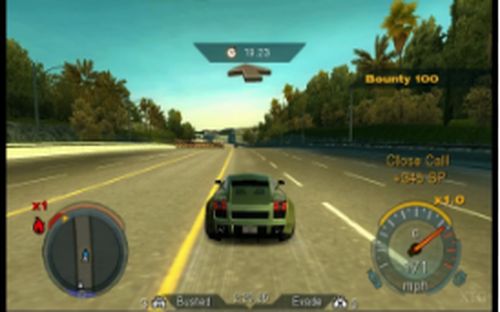
Undercover’s emphasis on fast-paced police pursuits is one of its distinguishing characteristics. Players must avoid both aggressive law police and opposing racers throughout the game’s heart-pounding pursuits. Every chase seems like a high-stakes event since the AI officers are unrelenting and their strategies change as players advance. A major component of the game’s appeal is the excitement of outrunning the police, swerving through tight spaces, and dodging traffic.
Another big attraction in the game is the vehicle customization feature. From enhancing performance to altering the vehicle’s look, players may enhance and customize their vehicles in a number of ways. High levels of customisation are possible with this approach, giving the player a sense of control over their experience. One enjoyable feature of Undercover is the opportunity to customize an automobile to one’s preferences, whether it’s adding fresh paint jobs and decals or adjusting the engine for greater horsepower.
With its expansive open-world settings and incredibly realistic automobile models, Need for Speed: Undercover was seen as a major visual advancement at the time of its debut. Even while the game’s visuals aren’t as sophisticated as those of more recent games, they nonetheless produce an engaging racing experience. The weather, vehicle damage models, and lighting effects are all intended to provide a dynamic and unexpected gaming experience. Players are drawn more into the game’s universe by these visual components, which add to the overall mood.

The game’s soundtrack, which is crucial in establishing the mood for races and chases, is another noteworthy feature. The fast-paced action is set against an exciting soundtrack of rock, techno, and hip-hop music. Even if the selection of songs is subjective, it enhances the fast-paced gameplay and increases the adrenaline rush. In racing games, music frequently functions as more than simply a soundtrack; in Undercover, it nearly takes on the role of a character, enhancing the game’s violent, rebellious vibe.
System Requirements OF Need For Speed Undercover Highly Compressed PC
| Ram | 2 GB RAM |
|---|---|
| Processor | Intel Core 2 Duo 2.4 GHz |
| Accessories | Keyboard, mouse, and speaker |
| Graphics card | 1 GB |
| Windows | Xp, 7, 8, 8.1, 10, and 11 |
| Free disk space | 10 GB |
Need for Speed: Undercover was criticized despite its positive aspects. The game’s fairly monotonous mission format was one of the primary grievances. Although the story and open environment were captivating, there are moments when the gameplay feels like a sequence of identical duties with just minor variations between each race. Reviews of the AI were similarly divided; some players thought the racing opponents’ actions were too robotic or predictable. Although entertaining, the game’s plot lacked depth and originality, and several players noticed that as they raced more, they became disinterested in it.
Another point of contention among fans is Undercover’s handling mechanics. Some players feel that the game falls short in its attempt to combine realistic driving with arcade-style pleasure. Although the controls are quick, the vehicles occasionally appear a little floaty or unduly forgiving due to the absence of full simulation-style handling. This allows casual gamers to enjoy the game, but it might not please enthusiasts who want a more difficult racing experience.
Many people who love the fast-paced thrills and chaotic aspect of street racing continue to love Need for Speed: Undercover despite these shortcomings. It has a distinct identity within the Need for Speed series because to the mix of an engaging story, open-world adventure, and fierce police pursuits. Even while it didn’t completely reimagine the racing genre, it did a good job of capturing the rush of the pursuit, speed, and adrenaline that first made the game so famous.