One of the most recognizable games in the Need for Speed franchise’s history is Need for Speed: Most Wanted. When EA Games released it in 2005, it quickly became a classic and is still cherished by players all over the world for its unique blend of exhilarating street racing, a captivating narrative, and an amazing collection of fast automobiles. The game signaled a change in the series, eschewing the customizable vehicle culture that had characterized earlier games like Underground and Underground 2 in favor of a more narrative-driven, fast-paced racing experience with an emphasis on eluding the authorities and defeating the top racers.
The main plot of Need for Speed: Most Wanted revolves around the player’s ascent to popularity in the realm of underground street racing. The protagonist, whose name the player can change, gets defeated by rival racer Razor at the start of the game and loses his valuable vehicle, a BMW M3 GTR. The narrative lays the groundwork for a fierce quest for retribution as the player aims to retrieve their misplaced vehicle and eliminate the Blacklist, a list of the city’s most wanted street racers. Players must sprint through a series of trials and avoid the police’s unrelenting pursuit as each member of the Blacklist gets harder to defeat.

“Blacklists,” a novel aspect in the game, pitted players against fifteen other elite racers, each with their own unique personalities, vehicles, and racing philosophies. The main objective became to race these Blacklist members, and every win put gamers one step closer to getting their stolen vehicle back and becoming the best in the street racing world. As players advanced, they could also unlock and personalize additional vehicles, such as iconic models like the Audi A4, Porsche 911, and Chevrolet Corvette, each of which had unique performance traits that could be adjusted for particular racing situations.
The smooth fusion of open-world exploration and the exhilarating thrill of illicit street racing was what set Most Wanted apart. In addition to avoiding the police’s constant attention, players were free to wander the city’s streets in search of speed traps, circuit races, and pursues. The dynamic police system in the game increased the level of excitement in the gaming. The authorities finally used spike strips, barricades, and helicopters to halt players as they advanced through the game. The main racing events were set against the heart-pounding backdrop of this never-ending chase.
Additionally, the game’s graphic design was innovative. The gorgeous scenery of Need for Speed: Most Wanted had wide freeways, dirty industrial zones, and sophisticated metropolitan neighborhoods. The lighting effects in the game enhanced the overall immersive experience, especially during nighttime races. In addition to producing aesthetically pleasing vistas, the weather system—which included fog and rain—also affected how the automobiles handled, forcing players to modify their driving techniques.
Most Wanted’s music, which came to represent the game’s fast-paced and rebellious ethos, is among its most memorable features. Rock, hip-hop, and electronic music were all mixed together on the soundtrack, which included songs by Kanye West, Flipsyde, and The Crystal Method. As players raced through dark city streets at top speed or dodged the cops, the music was a perfect fit for the high-stakes racing scenario and the stressful mood. Even years after the game’s debut, many players still connect the tunes to their Most Wanted experiences, making it a distinguishing aspect of the game.
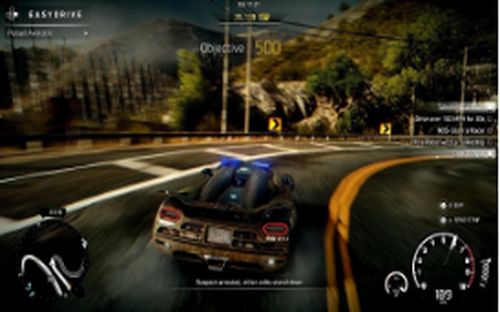


Another important component that contributed to Most Wanted’s success was the automobile customization feature. Although the game did not have as many extensive modification possibilities as its predecessor, Underground 2, users were still able to alter their cars’ look and performance. In addition to selecting from a range of aesthetic changes including body kits, paint jobs, and decals, players may modify their engines, suspension, tires, and nitrous systems. Each car felt distinctive to the player’s driving style because to this personalization, which not only allowed players to personalize their vehicles but also directly affected their racing performance.
System Requirements OF Need For Speed Most Rivals Highly Compressed PC
| Ram | 4GB |
|---|---|
| Processor | Intel Core 2 Duo 2.4 GHz |
| Accessories | Keyboard, mouse, and speaker |
| Graphics card | 1 GB |
| Windows | Xp, 7, 8, 8.1, 10, and 11 |
| Free disk space | 2 GB |
Particularly while racing the Blacklist members, the game’s difficulty curve was a distinctive characteristic. Players had to evade the cops, navigate tight turns, and take calculated shortcuts to get an advantage in each race’s unique mix of difficulties. The complexity rose dramatically as the player moved through the ranks, with competing racers become more proficient and the police employing more sophisticated strategies. Players frequently felt frustrated when a race ended abruptly, but this just enhanced the joy of winning in the end. Players continued returning for more because they felt an unmatched feeling of satisfaction when they defeated a Blacklist member or managed to elude a persistent police chase.
There was also a strong sense of advancement in Need for Speed: Most Wanted. As the player progressed through the game, their collection of cars expanded, with each new vehicle offering additional personalization options and difficulties. The game’s several racing formats, which included sprints, circuit races, drag races, and tollbooth challenges, added to the excitement of improving and perfecting a car. The mix of all these events kept the action interesting and varied throughout, as each race type challenged a different part of driving abilities.
Despite being released nearly two decades ago, Need for Speed: Most Wanted remains a beloved entry in the racing game genre. It was a notable game in the Need for Speed series because of its compelling plot, fierce vehicle chases, and exhilarating racing set against a stunning open environment. In addition to racing fans, gamers who valued a compelling narrative and the excitement of outwitting the cops found the game appealing. The game’s lasting legacy is evident in its continued popularity, and it remains a touchstone for both fans of the franchise and newcomers who want to experience one of the greatest racing games of its time.