The Need for Speed franchise underwent a dramatic shift with the release of Need for Speed: Hot Pursuit in 2010. It was created by Criterion Games and released by Electronic Arts, bringing back the fast-paced action and police pursuits for which the franchise was first renowned. This version combined the excitement of intensive pursuits with the greatest aspects of arcade racing to create a novel yet nostalgic experience. High-octane action, graphic quality, and the ground-breaking Autolog feature—which connected players in a whole new way and made the competition more intimate and involved than before—were what made the game stand out.
Rather than emphasizing automobile personalization and open-world exploring like some of the earlier games in the series did, Need for Speed: Hot Pursuit focused on fast-paced, adrenaline-fueled racing. This was one of the game’s most noticeable features. The automobiles in the game ranged from strong muscle cars to exotic supercars, all of which were built for speed and agility. But the streets were more than simply a peaceful racetrack for players to enjoy. The hot pursuit component of the game, which allowed players to race against other drivers or the clock while dodging or pursuing the police, was its most distinctive feature.

In Hot Pursuit, the cops posed a constant danger, which gave the racing experience an exciting new level of complexity. In the chase mode, players may race against tenacious police officers as a fugitive or assume the position of the police, pursuing speeders. The cops under AI control were not to be taken lightly. They employed aggressive strategies, such as spike strips and barriers, as well as circling helicopters, to try to halt participants. Players were kept on the edge of their seats by the continual pressure to avoid the law, which provided a sense of urgency and danger.
Criterion Games used its in-house technology to produce amazing graphics for the game, which were outstanding for the time. Lush vistas, dramatic sky, and intricately detailed vehicles were all part of the exquisitely depicted surroundings. Every race in the game seemed like an action movie because to the amazing lighting effects. Need for Speed: Hot Pursuit offered a vibrant ambiance that seemed alive, from the sun sinking over a seaside highway to the city’s neon-lit streets at night.
The Autolog system, which recorded each race and time trial that players finished, was another cutting-edge innovation. gamers were able to compare their performance with friends and other gamers across the world thanks to this technology. Every time a player completed a race, Autolog would automatically upload the results to a customized feed that included suggestions for future challenges based on past performance as well as comparisons to other players. This included a competitive and social element that kept the gaming interesting and motivated participants to keep honing their craft.
A variety of multiplayer options were also added to the game, enabling users to participate in both cooperative and competitive races. In online races, players might team up with friends to either outrun competitors or cooperate to elude law enforcement. With matchmaking that guaranteed fair and thrilling races, the multiplayer component was flawless. The Autolog system’s constantly evolving obstacles made the game always feel new and interesting, whether you were racing alone or against other players.
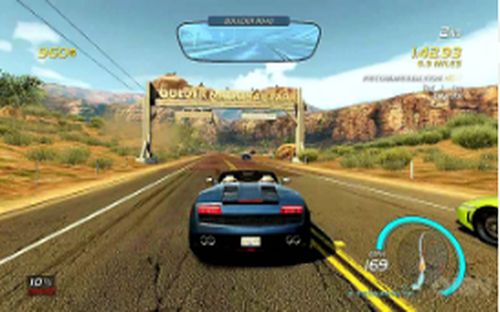


The fast-paced gameplay of Need for Speed: Hot Pursuit was enhanced by a lively soundtrack. A wide variety of songs, from rock anthems to techno rhythms, were carefully chosen to energize players as they raced through different locations. Every pursuit and racing seemed even more spectacular because to the music’s flawless synchronization with the game’s stressful scenes.
System Requirements OF Need For Speed 2010 Highly Compressed PC
| Ram | 2 GB RAM |
|---|---|
| Processor | Intel Core 2 Duo 2.4 GHz |
| Accessories | Keyboard, mouse, and speaker |
| Graphics card | 1 GB |
| Windows | Xp, 7, 8, 8.1, 10, and 11 |
| Free disk space | 10 GB |
Another level of excitement was introduced by the game’s advancement system. Players acquired additional events, greater upgrades, and more vehicles as they progressed through the game. Players kept returning for more because of how satisfying it was to unlock a new car or a unique pursuit mode. Every event, whether playing as a cop or a racer, had its own special rewards and obstacles, so players never felt like they were just going through the same thing again and over.
Longtime fans of the franchise were particularly drawn to the return of the iconic Hot Pursuit mode. This was a reference to the racing genre’s iconic Need for Speed: Hot Pursuit (1998). The 2010 edition updated the mechanics and presentation while maintaining the spirit of its predecessor. As thrilling as ever, the fast-paced pursuits, the strategic placement of obstacles, and the spectacular takedowns provided the ideal ratio of nostalgia to innovation.
Need for Speed: Hot Pursuit was revolutionary in terms of its influence on the racing genre. It emphasized the excitement of racing, the pleasure of pursuing, and the rush of dodging or outwitting the authorities. The game reverted to the fundamental ideas that had made Need for Speed a household brand by eliminating some of the more complicated components that had plagued previous games in the series. Need for Speed: Hot Pursuit was not just a return to form but also a redefinition of what arcade racing might be because to its captivating gameplay, breathtaking visuals, and the addition of Autolog.