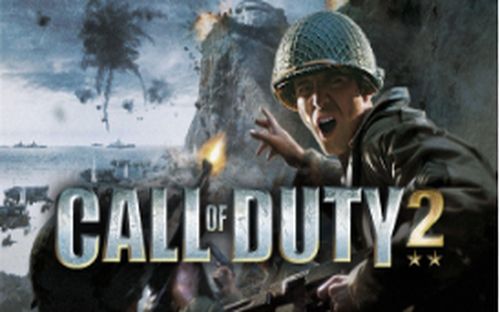
Call of Duty 2, which was released in 2005 and offered an exhilarating and immersive experience that portrayed the intensity of World War II, was a major turning point in the development of first-person shooters. With more features and a stronger emphasis on realism, the game, created by Infinity Ward and released by Activision, carried on the tradition of its predecessor. From Soviet soldiers in the bloody Battle of Stalingrad to British and American forces against the Axis Powers, Call of Duty 2 offered players a range of viewpoints across many locations in Europe and North Africa. It was one of the genre’s defining games because of its rich narrative and quick-paced, action-packed gameplay.
Three distinct military campaigns—the Soviet Red Army, the British Eighth Army, and the United States Army—formed the framework of the game’s single-player campaign. From the bitterly cold Russian winters to the sweltering North African desert environments, each of these viewpoints gave gamers a unique perspective on the conflict. The plot frequently places players with other troops who would comprise the squad in an effort to foster a sense of camaraderie. Although the goals of the various missions differed, the main story connected them in a way that highlighted the conflict’s worldwide scope.

Call of Duty 2’s emphasis on authenticity was one of its main features. Using actual weapons, gear, and outfits, the creators put in endless effort to replicate the atmosphere and tactical difficulties of World War II. The array of weapons, which ranged from the Soviet Mosin-Nagant to the famous M1 Garand, represented the many warring groups. With realistic gunshots, explosions, and the din of a battlefield that kept players on edge at all times, the sound design also added to the realism. In a market already overflowing with first-person shooters, Call of Duty 2 stood out because to its meticulous attention to detail.
Because the new IW engine allowed for more dynamic and realistic settings, the game’s graphics were also better than those of its predecessors. The character models were more lifelike, the lighting effects were more dramatic, and the texturing were more intricate. From the broad fields of Normandy to the urban alleys of Stalingrad, the game’s settings varied widely, each presenting unique difficulties. With buildings collapsing and cars catching fire, the destructible settings brought an additional level of realism and created a constantly shifting battlefield that kept players interested.
Another important aspect of Call of Duty 2 was multiplayer. Fast-paced and strategic, the game offered a sophisticated online experience. It included a variety of game types, such as capture the flag and team deathmatch, as well as the option to play as other countries. The well-designed multiplayer maps promoted a variety of play styles by providing a blend of tight urban settings and spacious expanses. The game helped pave the way for future competitive online play in the Call of Duty franchise, and the online community was lively and engaged. Many players participated in matches that may go on for hours while honing their talents.
Another aspect of the game that was praised was its AI, which was intended to make the experience more dynamic and unexpected. Enemies would appear to be thinking tactically, exactly like human gamers, by taking cover, flanking players, and working in teams. The allied troops were equally competent; they frequently took the lead during battles and offered crucial assistance. Every mission seemed less staged and more like a dynamic battlefield as a result. One of the things that made Call of Duty 2 seem so immersive was the harmony between human and AI-controlled characters.


Call of Duty 2 was renowned for providing a demanding experience, particularly on higher difficulty levels. Tougher opponents weren’t the only aspect of the increasing difficulty; the player also had to adopt a more calculated strategy. Health regeneration wasn’t as merciful as it would be in subsequent series entries, and ammunition was sometimes hard to come by. Players were forced to consider their actions more thoroughly as a result, making every choice they made on the battlefield significant. It was a game that called for patience, talent, and a tactical approach.
System Requirements OF Call Of Duty 2 Highly Compressed PC
| Ram | 2 GB DDR2 |
|---|---|
| Processor | Intel Pentium 4 1.4 GHz |
| Accessories | Keyboard, mouse, and speaker |
| Graphics card | 1 GB |
| Windows | Xp, 7, 8, 8.1, 10, and 11 |
| Free disk space | 1.2 GB |
Call of Duty 2’s popularity contributed to the series’ status as one of the most significant first-person shooter franchises. Its novel features, strategic gameplay, and dramatic storyline established the standard for subsequent games in the series. For years after its debut, Call of Duty 2 remained relevant due to its capacity to fully immerse players in historical events while offering an engaging and difficult experience. Call of Duty 2 remains a fan favorite and is frequently regarded as one of the greatest shooters with a World War II theme ever created, even after the release of more recent games in the series.
Even while Call of Duty 2’s historical setting and largely linear gameplay may appear archaic by today’s standards, it nonetheless serves as an example of what can be accomplished with meticulous design, a compelling story, and a dedication to realism. It was more than just shooting; it was about seeing the conflict from the troops’ point of view. A strong emotional experience that distinguished Call of Duty 2 from other shooters of its era was created by the calm tense moments, the turmoil of battle, and the brotherhood among troops.
In retrospect, Call of Duty 2 continues to be a mainstay of the gaming industry. It not only influenced the course of the Call of Duty franchise but also established the benchmark for military shooters for years to come. It was a game that recognized the value of both plot and action, making sure that players were both challenged and completely engrossed in the drama taking place in front of them. Call of Duty 2 remains an iconic part of gaming history, treasured by fans and regarded as a turning point in the development of first-person shooters, whether it is being played again out of nostalgia or for the first time.